
Why Sustainable Kopeat Uses Make Kopeat Exports the Future of Sustainable Agriculture

Sustainable agriculture is more than a trend - it’s a necessity for the future of our planet. As someone deeply involved in this field, I’ve seen firsthand how innovative materials can transform farming practices. One such material gaining attention is coco peat, also known as coir pith. This natural, eco-friendly product is revolutionizing how we grow plants, conserve resources, and reduce waste. Today, I want to share why sustainable kopeat uses are so important and how kopeat exports are shaping the future of sustainable agriculture worldwide.
The Rise of Sustainable Kopeat Uses in Agriculture and Horticulture
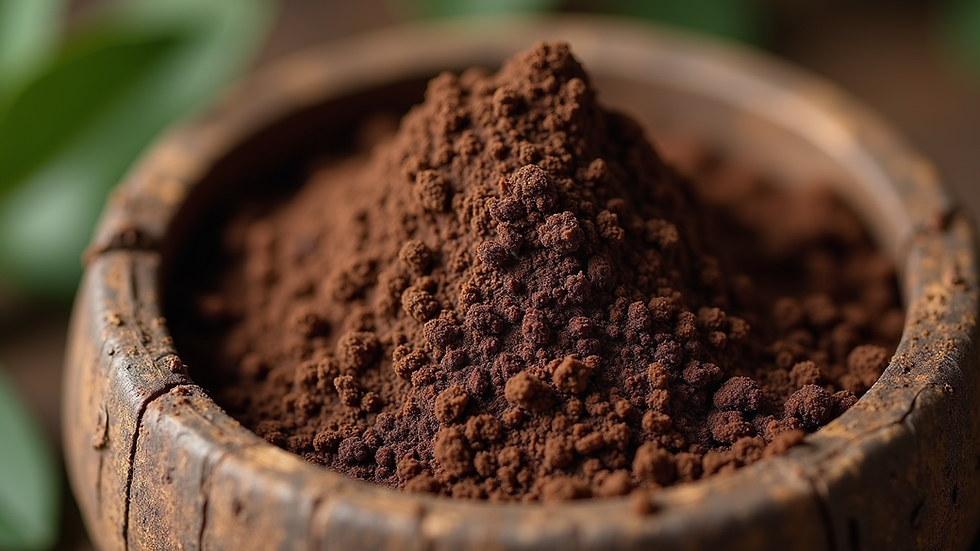
Coco peat is a byproduct of coconut processing. It’s the fibrous material found between the hard shell and the outer coat of a coconut. Traditionally, this material was discarded or burned, causing environmental harm. However, with growing awareness of sustainability, coco peat has found new life as a soil amendment and growing medium.
Why is this important? Because sustainable kopeat uses offer several benefits:
Water retention: Coco peat holds water up to 8-9 times its weight, reducing irrigation needs.
Aeration: It improves soil structure, allowing roots to breathe and grow stronger.
pH neutral: It balances soil acidity, making it suitable for a wide range of plants.
Biodegradable: Unlike synthetic alternatives, coco peat breaks down naturally without harming the environment.
Waste reduction: Using coco peat repurposes coconut husks that would otherwise be wasted.
Farmers and horticulturists worldwide are adopting coco peat for these reasons. It’s especially popular in hydroponics, where soil-less growing requires a medium that supports plant health without chemicals.

How Sustainable Kopeat Uses Benefit International Agriculture Markets
International buyers in agriculture and horticulture are increasingly looking for products that align with eco-friendly practices. Sustainable kopeat uses fit perfectly into this demand. Here’s how:
Improved crop yields: Coco peat’s water retention and aeration properties help plants grow faster and healthier.
Reduced environmental impact: Using a natural, renewable resource lowers carbon footprints compared to peat moss or synthetic substrates.
Cost efficiency: Coco peat is lightweight and easy to transport, reducing shipping costs and storage needs.
Versatility: It works well in various climates and crop types, from vegetables to ornamental plants.
Compliance with regulations: Many countries now require sustainable sourcing for agricultural inputs, making coco peat a compliant choice.
By integrating sustainable kopeat uses into their supply chains, international buyers can meet consumer expectations for green products while enhancing productivity.

What is the price of 100 kg coco peat?
Understanding the price of coco peat is crucial for buyers planning large-scale purchases. The cost can vary depending on quality, processing, and packaging. On average, 100 kg of high-quality coco peat ranges between $15 to $30 USD. Factors influencing price include:
Grade: Fine-grade coco peat is more expensive due to better water retention and fewer impurities.
Processing: Washed and buffered coco peat commands a higher price because it’s ready for immediate use.
Packaging: Compressed blocks or loose bags affect shipping costs and handling.
Supplier location: Proximity to ports and production centers can lower transportation expenses.
When sourcing coco peat, it’s important to balance cost with quality. Cheaper options may contain dust or salts that harm plants. Investing in premium coco peat ensures better results and long-term sustainability.
Practical Tips for Using Coco Peat in Sustainable Agriculture
If you’re considering incorporating coco peat into your operations, here are some actionable recommendations:
Pre-soak coco peat: Before use, soak it in water to expand and remove excess salts.
Mix with other media: Combine coco peat with compost or perlite to enhance nutrient content and drainage.
Monitor pH levels: Although coco peat is generally neutral, regular testing helps maintain optimal soil conditions.
Use in hydroponics: Coco peat is ideal for soilless systems, providing stable support and moisture.
Recycle and reuse: After harvest, coco peat can be composted or reused for multiple growing cycles.
By following these steps, you can maximize the benefits of sustainable kopeat uses and improve your agricultural outcomes.
Why Kopeat Exports Are Key to Global Sustainable Agriculture Growth
The global demand for eco-friendly agricultural inputs is rising rapidly. This is where kopeat exports come into play. Exporting high-quality coco peat connects producers with international markets eager for sustainable solutions. It also supports rural economies in coconut-growing regions by creating jobs and reducing waste.
Kopeat exports help:
Expand access: Farmers worldwide can obtain reliable, sustainable growing media.
Promote environmental stewardship: Encouraging the use of renewable materials reduces reliance on peat bogs and synthetic products.
Build trust: Transparent supply chains and quality assurance foster long-term partnerships.
Drive innovation: Export markets incentivize producers to improve processing and packaging techniques.
In short, kopeat exports are not just about trade - they are about advancing sustainable agriculture on a global scale.
Embracing Sustainable Kopeat Uses for a Greener Tomorrow
As we look to the future, sustainable kopeat uses offer a promising path forward. By choosing coco peat, you’re supporting a product that nurtures plants, conserves resources, and protects the environment. Whether you’re growing crops, managing a nursery, or developing hydroponic systems, coco peat can be a valuable part of your toolkit.
I encourage you to explore the potential of coco peat and consider how it fits into your agricultural practices. With the right knowledge and partnerships, sustainable kopeat uses can help you achieve better yields, reduce costs, and contribute to a healthier planet.
Together, we can make sustainable agriculture not just an ideal, but a reality.


Comments