
Boost Agricultural Success with Kopeat Exports Benefits

In today’s competitive agricultural market, finding reliable and sustainable growing mediums is essential. One product that has gained significant attention is coco peat, a natural, eco-friendly substrate derived from coconut husks. As someone deeply involved in agriculture and horticulture, I’ve seen firsthand how using high-quality coco peat can transform crop yields and plant health. This blog post will explore the many benefits of coco peat, practical tips for its use, and how partnering with a trusted supplier like kopeat exports can elevate your agricultural success.
Understanding Kopeat Exports Benefits for Agriculture
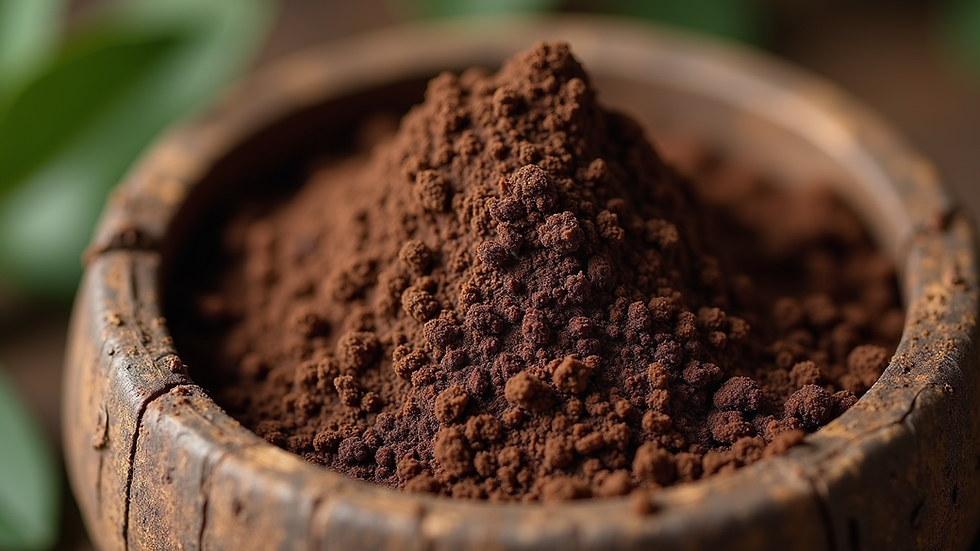
Coco peat, also known as coir pith, is a byproduct of coconut processing. It is lightweight, highly absorbent, and rich in organic matter, making it an excellent growing medium for various crops. The benefits of using coco peat in agriculture are numerous:
Water retention: Coco peat can hold up to 8-9 times its weight in water, reducing irrigation frequency and conserving water resources.
Aeration and drainage: Its fibrous structure ensures good air circulation around roots, preventing root rot and promoting healthy growth.
pH neutrality: Coco peat has a near-neutral pH, which supports nutrient availability and uptake.
Sustainability: As a renewable resource, coco peat is an eco-friendly alternative to peat moss and other non-renewable substrates.
Disease resistance: It naturally resists fungal growth, reducing the need for chemical treatments.
These benefits make coco peat an ideal choice for international buyers in agriculture, horticulture, and hydroponics looking to improve crop quality and sustainability.
How to Use Coco Peat Effectively in Your Agricultural Practices
To maximize the benefits of coco peat, it’s important to understand how to prepare and use it properly. Here are some practical tips:
Hydrate before use: Coco peat is often compressed for shipping. Soak it in water for several hours to allow it to expand fully.
Mix with other substrates: For optimal results, blend coco peat with perlite, vermiculite, or compost to improve nutrient content and drainage.
Monitor moisture levels: Although coco peat retains water well, avoid overwatering by checking the moisture regularly.
Use as a soil amendment: Incorporate coco peat into garden beds to improve soil structure and water retention.
Ideal for seed starting and potting: Its fine texture makes it perfect for germinating seeds and growing seedlings.
By following these steps, you can ensure your plants receive the best growing environment possible.

What is the Price of 100 kg Coco Peat?
When considering coco peat for your agricultural needs, price is a key factor. The cost of 100 kg of coco peat varies depending on quality, processing, and supplier. Generally, prices range from $20 to $50 per 100 kg bale. Higher-quality, well-processed coco peat with minimal dust and consistent texture tends to be on the upper end of this range.
Bulk purchases often come with discounts, making it more economical for large-scale operations. Additionally, shipping costs and import duties may affect the final price for international buyers. It’s wise to request detailed quotes from suppliers and inquire about product certifications to ensure you’re getting value for your investment.
Why Choose Kopeat Exports as Your Supplier?
Selecting the right supplier is crucial for maintaining consistent quality and supply. kopeat exports stands out as a leading global supplier of premium coconut-based products. Here’s why partnering with them can boost your agricultural success:
High-quality products: Their coco peat is carefully processed to remove salts and dust, ensuring a clean, nutrient-rich substrate.
Eco-friendly practices: Kopeat Exports prioritizes sustainability, sourcing raw materials responsibly and minimizing environmental impact.
Reliable logistics: They offer efficient shipping solutions tailored to international buyers, ensuring timely delivery.
Customer support: Their team provides expert advice and assistance to help you choose the right products for your specific needs.
Competitive pricing: With transparent pricing and flexible order sizes, they cater to both small and large-scale buyers.
By choosing Kopeat Exports, you gain access to a trusted partner committed to helping you achieve better crop yields and healthier plants.
Tips for Integrating Coco Peat into Hydroponic Systems
Hydroponics is a rapidly growing method of soil-less cultivation, and coco peat is an excellent medium for this system. Here’s how to make the most of it:
Ensure proper rinsing: Before use, rinse coco peat thoroughly to remove excess salts that could harm plants.
Combine with perlite: Mixing coco peat with perlite improves aeration and drainage, essential for hydroponic roots.
Monitor nutrient solutions: Coco peat holds nutrients well, but regular monitoring of pH and electrical conductivity (EC) is necessary.
Use in grow bags or pots: Coco peat can be packed into grow bags or pots, providing a stable root environment.
Recycle and reuse: After a growing cycle, coco peat can be composted or reused with proper treatment, reducing waste.
These tips will help you harness the full potential of coco peat in hydroponic farming, leading to robust plant growth and higher yields.
Expanding Your Agricultural Reach with Sustainable Solutions
Incorporating coco peat into your agricultural or horticultural operations is more than just a growing medium choice - it’s a step toward sustainability and innovation. As global demand for eco-friendly products rises, using renewable resources like coco peat positions your business as a forward-thinking leader.
By partnering with a reputable supplier like Kopeat Exports, you ensure access to consistent, high-quality products that meet international standards. This reliability builds trust with your customers and supports your long-term growth goals.
Whether you’re cultivating vegetables, flowers, or specialty crops, coco peat offers a versatile, effective solution to improve plant health and productivity. Embracing this natural substrate can help you stay competitive and environmentally responsible in today’s agricultural landscape.
I hope this guide helps you understand the value of coco peat and how to leverage it for your agricultural success. For more information or to place an order, consider reaching out to kopeat exports and take the next step toward sustainable, profitable farming.


Comments