
Versatile Coco Husks: Unlocking Their Many Uses

Coco husks are an incredible natural resource that often goes unnoticed. As someone who has explored various agricultural and horticultural materials, I can confidently say that coco husks offer a wide range of practical uses. These fibrous outer shells of coconuts are not only eco-friendly but also highly versatile. Whether you are involved in farming, gardening, or hydroponics, coco husks can be a game-changer for your projects.
If you are looking to source this material, you might want to check out coco husk for sale options from reliable suppliers. In this post, I will walk you through the many ways coco husks can be used, their benefits, and some considerations to keep in mind.
Why Versatile Coco Husks Are a Smart Choice
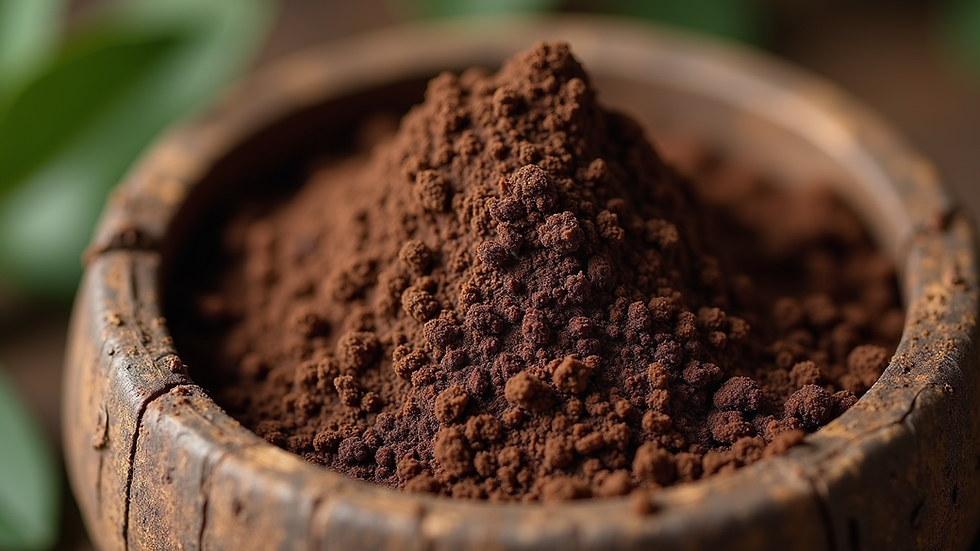
Coco husks are the fibrous outer layer of the coconut fruit. Once considered waste, they have now become a valuable commodity in agriculture and horticulture. Their versatility comes from their natural properties: they are lightweight, durable, and retain moisture well. These qualities make coco husks an excellent alternative to peat moss and other traditional growing mediums.
One of the biggest advantages of coco husks is their sustainability. They are a renewable resource, biodegradable, and help reduce waste from coconut processing industries. Using coco husks supports eco-friendly practices and promotes a circular economy.
Here are some key reasons why versatile coco husks are gaining popularity:
Water retention: Coco husks can hold up to 10 times their weight in water, making them ideal for irrigation management.
Aeration: Their fibrous structure allows air to circulate around plant roots, preventing root rot.
pH neutral: They have a near-neutral pH, which is suitable for most plants.
Reusable: After use, coco husks can be composted or reused in other applications.

Practical Uses of Versatile Coco Husks
The applications of coco husks are diverse and growing. Here are some of the most common and innovative uses I have encountered:
1. Growing Medium for Plants
Coco husks are widely used as a soil substitute or soil amendment. They improve soil structure by increasing aeration and moisture retention. Gardeners and farmers mix coco husks with soil or use them alone in pots and containers. This is especially popular in hydroponic systems where soil is not used.
2. Mulching Material
Applying coco husks as mulch helps retain soil moisture, suppress weeds, and regulate soil temperature. Unlike plastic mulches, coco husks are biodegradable and enrich the soil as they break down.
3. Erosion Control
In landscaping and agriculture, coco husks can be used to prevent soil erosion on slopes and embankments. Their fibrous texture helps hold soil in place while allowing water to pass through.
4. Animal Bedding
Coco husks provide a soft, absorbent bedding material for livestock and pets. They are dust-free and help control odors, making them a healthier option compared to traditional bedding.
5. Craft and Industrial Uses
Beyond agriculture, coco husks are used in making brushes, mats, ropes, and even biodegradable packaging. Their durability and natural texture make them suitable for various eco-friendly products.

What are the downsides of coco coir?
While coco husks have many benefits, it is important to be aware of some limitations:
Salt content: Raw coco husks can contain high levels of salt, which may harm sensitive plants. Proper washing or buffering is necessary before use.
Nutrient deficiency: Coco husks do not provide nutrients on their own, so additional fertilization is required.
Decomposition rate: They decompose slower than organic mulches like wood chips, which can be a pro or con depending on your needs.
Cost and availability: Depending on your location, sourcing quality coco husks might be more expensive or less accessible than other materials.
Despite these downsides, many users find that the benefits outweigh the drawbacks when coco husks are prepared and used correctly.
How to Choose and Use Coco Husks Effectively
If you decide to incorporate coco husks into your agricultural or horticultural projects, here are some tips to get the best results:
Source quality coco husks: Look for suppliers who provide washed and buffered coco husks to reduce salt content. You can find reliable options by searching for coco husk for sale.
Prepare before use: Rinse the husks if they are raw, and soak them to improve water retention.
Mix with other materials: Combine coco husks with compost, soil, or fertilizers to provide nutrients.
Monitor moisture levels: Coco husks hold water well but can dry out if not watered regularly.
Reuse and recycle: After use, compost the husks or use them as mulch to maximize sustainability.
By following these steps, you can harness the full potential of coco husks in your operations.
Expanding Your Business with Coco Husk Products
For international buyers in agriculture, horticulture, and hydroponics, coco husks represent a promising product to add to your inventory. Their eco-friendly nature and versatility appeal to a growing market focused on sustainable practices.
If you are looking to expand your product range, consider partnering with suppliers who specialize in high-quality coconut-based products. This can help you build trust with your customers and position your business as a leader in green solutions.
Using coco husks can also reduce your environmental footprint and improve the quality of your crops or plants. Whether you are growing flowers, vegetables, or ornamental plants, coco husks can enhance your results.
Exploring the many uses of versatile coco husks has shown me how valuable this natural material can be. From improving soil health to supporting sustainable agriculture, coco husks offer practical benefits that are hard to ignore. If you want to make a positive impact on your growing practices, consider integrating coco husks into your workflow. Their eco-friendly nature and multifunctionality make them a smart choice for the future of agriculture and horticulture.


Comments