
Transform Your Garden with Coco Husk Gardening Uses

If you’re looking for a natural, sustainable way to boost your garden’s health and productivity, coco husk might just be the secret ingredient you need. Derived from the outer shell of coconuts, coco husk is a versatile material that has gained popularity in agriculture, horticulture, and hydroponics worldwide. I’ve seen firsthand how incorporating coco husk into gardening routines can transform soil quality, improve water retention, and promote healthier plant growth.
In this post, I’ll share practical insights on how to use coco husk in your garden, explore its benefits, and discuss some important considerations. Whether you’re growing vegetables, flowers, or managing a hydroponic setup, understanding coco husk’s potential can help you make informed decisions for your garden’s success.
Exploring Coco Husk Gardening Uses
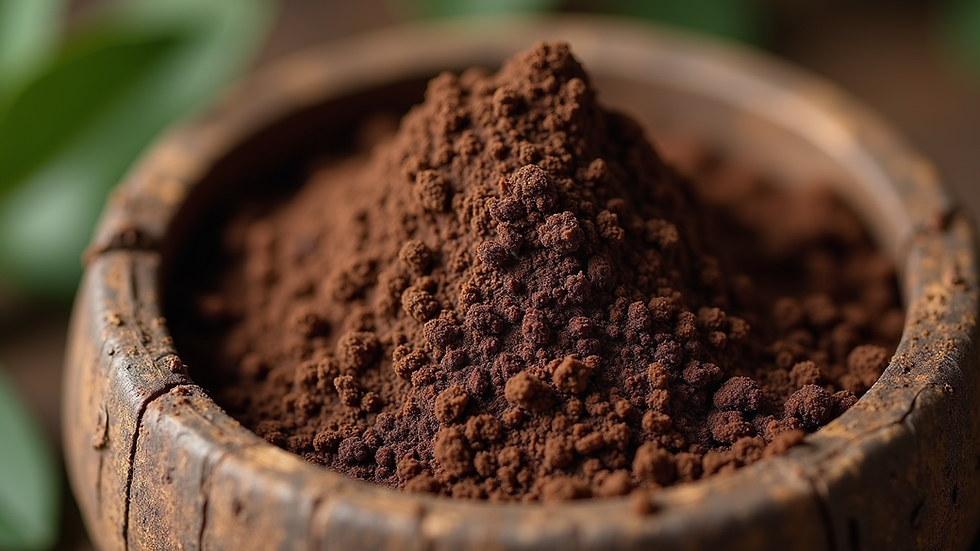
Coco husk, also known as coir, is a fibrous material extracted from coconut shells. It’s eco-friendly, renewable, and offers several advantages over traditional soil amendments. Here are some of the most common gardening uses for coco husk:
Soil Amendment: Mixing coco husk into your garden soil improves aeration and drainage. It prevents soil compaction, allowing roots to breathe and grow more freely.
Mulching: Spread as mulch, coco husk helps retain moisture, suppress weeds, and regulate soil temperature. This creates a more stable environment for plants.
Seed Starting Medium: Coco husk is an excellent medium for germinating seeds. It holds moisture well without becoming waterlogged, providing ideal conditions for young seedlings.
Hydroponic Growing Medium: In hydroponics, coco husk serves as a sustainable alternative to rockwool or peat moss. It supports roots while maintaining moisture and oxygen balance.
Potting Mix Component: When combined with compost and perlite, coco husk creates a lightweight, nutrient-rich potting mix suitable for container gardening.
One of the reasons I recommend coco husk is its ability to retain water while still allowing excess to drain away. This balance helps prevent root rot and keeps plants hydrated during dry spells. Plus, it’s biodegradable and renewable, making it a smart choice for environmentally conscious gardeners.

How to Use Coco Husk Effectively in Your Garden
Using coco husk correctly can maximize its benefits. Here are some tips based on my experience and research:
Prepare the Coco Husk: Before use, soak dry coco husk in water for a few hours. This softens the fibers and makes it easier to mix with soil or use as a growing medium.
Mix with Soil: For garden beds, mix coco husk with your existing soil at a ratio of about 1:3 (one part coco husk to three parts soil). This improves texture and moisture retention.
Use as Mulch: Apply a 2-3 inch layer of coco husk mulch around plants. Replenish it every few months as it breaks down naturally.
Seed Starting: Fill seed trays with moist coco husk and plant seeds as usual. Keep the trays in a warm, well-lit area and maintain moisture.
Hydroponics: Use washed and buffered coco husk to avoid excess salts. It can be used alone or mixed with other media depending on the crop.
If you’re interested in sourcing coco husk, you can find coco husk for sale from reputable suppliers who provide high-quality, eco-friendly products. This ensures you get a clean, well-processed material that supports your gardening goals.
What are the downsides of coco coir?
While coco husk offers many benefits, it’s important to be aware of some potential downsides:
Salt Content: Raw coco husk can contain high levels of salts, which may harm sensitive plants. Always rinse or buy pre-washed coco husk to avoid this issue.
Nutrient Deficiency: Coco husk itself has low nutrient content. You’ll need to supplement with fertilizers to provide essential nutrients for plant growth.
pH Levels: Coco husk tends to be slightly acidic to neutral, which may not suit all plants. Testing and adjusting pH might be necessary.
Decomposition Rate: Although it breaks down slowly, coco husk will eventually decompose and compact, requiring replacement or mixing with fresh material.
Cost and Availability: Depending on your location, coco husk might be more expensive or harder to find compared to traditional soil amendments.
Despite these considerations, many gardeners find that the benefits outweigh the drawbacks when coco husk is used thoughtfully. Proper preparation and supplementation can help you avoid common pitfalls.

Enhancing Plant Growth with Coco Husk
One of the most exciting aspects of using coco husk is how it supports healthy root development and overall plant vigor. Here’s how it helps:
Improved Aeration: The fibrous structure creates air pockets in the soil, allowing roots to access oxygen easily.
Water Retention: Coco husk holds water like a sponge, releasing it slowly to plants and reducing the need for frequent watering.
Disease Resistance: Good drainage and aeration reduce the risk of root diseases caused by waterlogged soil.
Root Support: In hydroponics, coco husk provides a stable anchor for roots while maintaining moisture and oxygen balance.
Sustainable Growth: Using coco husk reduces reliance on peat moss, which is less sustainable and more damaging to ecosystems.
For example, when I used coco husk in my vegetable garden, I noticed that plants like tomatoes and peppers developed stronger root systems and produced more fruit. The soil stayed moist longer, which was especially helpful during hot summer months.
Tips for Buying and Storing Coco Husk
If you decide to incorporate coco husk into your gardening routine, here are some practical tips for buying and storing it:
Buy from Trusted Suppliers: Look for suppliers who offer clean, washed, and buffered coco husk to avoid salt issues. You can explore options like coco husk for sale from reliable exporters.
Check for Quality: Good coco husk should be free of debris, have a neutral smell, and a consistent texture.
Store Properly: Keep coco husk in a dry, cool place to prevent mold growth. Use breathable bags or containers to allow air circulation.
Use Within a Year: While coco husk is durable, it’s best used within a year of purchase for optimal performance.
By following these guidelines, you can ensure your coco husk remains effective and safe for your plants.
Bringing It All Together for a Greener Garden
Incorporating coco husk into your gardening practices is a smart, eco-friendly choice that can transform your garden’s health and productivity. From improving soil structure to supporting hydroponic systems, coco husk offers versatility and sustainability. While it requires some preparation and supplementation, the benefits are well worth the effort.
If you’re ready to give your garden a natural boost, consider sourcing high-quality coco husk and experimenting with its many uses. With a little care and attention, you’ll enjoy stronger plants, better yields, and a more sustainable gardening experience.
Happy gardening!


Comments