
Transform Gardening with Eco Gardening Grow Bags

Gardening has always been a rewarding activity, but with the rise of sustainable practices, it’s evolving into something even more exciting. One innovation that has caught my attention is the use of eco gardening grow bags. These bags offer a practical, eco-friendly alternative to traditional pots and containers. They are designed to improve plant health, conserve resources, and make gardening accessible to everyone, whether you have a large farm or a small balcony garden.
In this post, I’ll share insights on how these grow bags can transform your gardening experience. I’ll explain their benefits, how to use them effectively, and why they are becoming a favorite among growers worldwide.
Why Choose Eco Gardening Grow Bags?
Eco gardening grow bags are made from natural, biodegradable materials that support sustainable agriculture. Unlike plastic pots, these bags break down over time, reducing waste and environmental impact. They also provide excellent aeration and drainage, which are crucial for healthy root development.
Here are some key advantages:
Improved Root Health: The breathable fabric prevents root circling and promotes air pruning, leading to stronger roots.
Better Water Management: Excess water drains easily, reducing the risk of root rot.
Lightweight and Portable: Easy to move around, perfect for urban gardening or changing plant locations.
Reusable and Durable: Many bags can be used for multiple growing seasons.
Eco-Friendly: Made from coconut coir or other natural fibers, they support sustainable farming practices.
Using these bags can help you grow healthier plants with less effort. They are especially useful for vegetables, herbs, and flowers, but can also support larger plants with proper care.

How to Use Eco Gardening Grow Bags for Best Results
Getting started with eco gardening grow bags is simple, but a few tips can help you maximize their benefits:
Choose the Right Size: Select a bag size that matches the plant’s root system. Small herbs need smaller bags, while tomatoes or peppers require larger ones.
Prepare the Soil Mix: Use a well-draining, nutrient-rich soil mix. Adding compost or organic fertilizer can boost growth.
Planting: Fill the bag with soil, leaving some space at the top. Plant your seeds or seedlings gently, ensuring roots are well covered.
Watering: Water thoroughly after planting. The bags drain well, so check moisture regularly to avoid drying out.
Placement: Place the bags in a location with appropriate sunlight for your plants. The bags’ breathability helps regulate temperature.
Maintenance: Monitor for pests and diseases. The bags are easy to clean and store after the growing season.
By following these steps, you can enjoy a thriving garden with minimal hassle.
Is Coco Coir Good for Calathea?
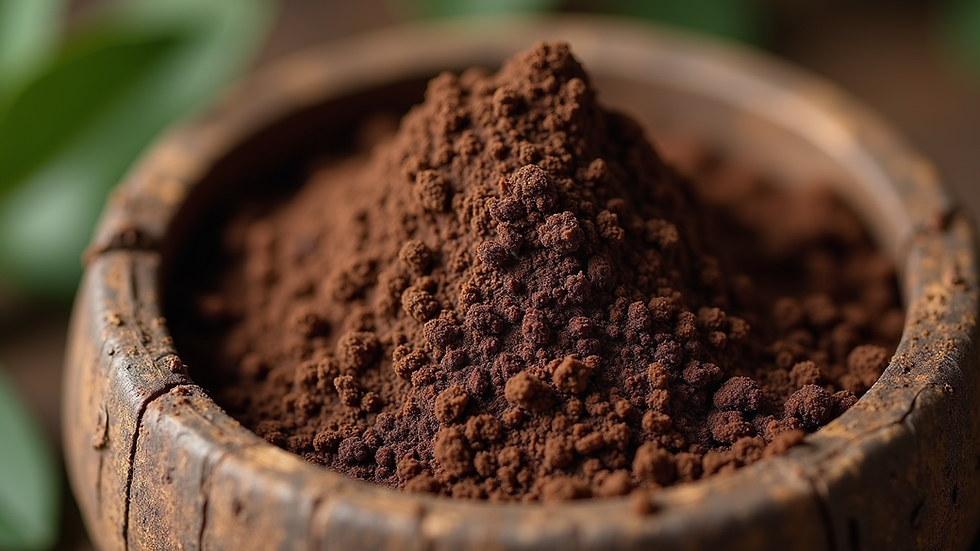
Calathea plants are known for their striking foliage and preference for humid, well-drained environments. Coco coir, a natural fiber extracted from coconut husks, is an excellent growing medium for Calathea. It retains moisture well while allowing excess water to drain, preventing root rot—a common issue with these plants.
Using coco coir in your growing medium offers several benefits for Calathea:
Moisture Retention: Keeps the soil consistently moist without waterlogging.
Aeration: Promotes healthy root growth by allowing air to circulate.
pH Neutral: Suitable for Calathea’s preference for slightly acidic to neutral soil.
Sustainable: Coco coir is an eco-friendly alternative to peat moss.
If you’re growing Calathea in containers, mixing coco coir with potting soil or using it in coco coir grow bags can create an ideal environment for your plants to flourish.

Practical Tips for International Buyers in Agriculture and Horticulture
For those involved in agriculture, horticulture, or hydroponics on a global scale, sourcing high-quality, eco-friendly products is essential. Eco gardening grow bags made from coconut coir offer a sustainable solution that aligns with modern agricultural goals.
Here are some practical tips when considering these products:
Check Material Quality: Ensure the grow bags are made from premium coconut coir with no harmful additives.
Assess Durability: Look for bags that can withstand various climates and multiple growing cycles.
Consider Size Variety: Different crops require different bag sizes; a supplier offering a range is preferable.
Evaluate Supplier Reliability: Choose suppliers with a proven track record in exporting and quality control.
Understand Shipping and Customs: For international buyers, confirm shipping options, delivery times, and import regulations.
By focusing on these factors, you can confidently integrate eco gardening grow bags into your operations, enhancing sustainability and productivity.
Expanding Your Gardening Horizons with Eco-Friendly Solutions
Switching to eco gardening grow bags is more than just a trend - it’s a step toward responsible, efficient gardening. Whether you’re growing food, flowers, or ornamental plants, these bags offer a practical way to improve plant health and reduce environmental impact.
As someone passionate about sustainable agriculture, I encourage you to explore these innovative products. They are easy to use, versatile, and support a greener future for gardening worldwide.
If you want to learn more or source high-quality grow bags, consider suppliers specializing in coconut-based products. Their expertise can help you find the perfect solution tailored to your needs.
Gardening with eco gardening grow bags is a simple change that can make a big difference. Give it a try and watch your plants thrive like never before!


Comments