
The Benefits of Using Coco Peat in Agriculture

When I first discovered coco peat, I was amazed by its versatility and eco-friendly nature. This natural byproduct of coconut husks has become a game-changer in agriculture, horticulture, and hydroponics. If you are looking for a sustainable growing medium that improves soil health and plant growth, coco peat might be exactly what you need. In this post, I will share the key benefits of using coco peat, explain its global market, and offer practical tips on how to make the most of this incredible resource.
Why Coco Peat Benefits Your Crops and Soil
Coco peat, also known as coir pith or coconut coir, is the fibrous material left after extracting coconut fibers. It is lightweight, porous, and rich in organic matter. These qualities make it an excellent growing medium and soil conditioner. Here are some of the main benefits I have observed:
Improved water retention: Coco peat can hold up to 8-9 times its weight in water. This means your plants get a steady supply of moisture without the risk of waterlogging.
Better aeration: Its porous structure allows air to circulate freely around roots, preventing root rot and promoting healthy growth.
Enhanced nutrient retention: Coco peat holds nutrients well and releases them slowly, reducing the need for frequent fertilization.
pH neutral: With a pH close to 6.5, coco peat creates an ideal environment for most plants.
Eco-friendly and renewable: Using coco peat helps reduce reliance on peat moss, which is harvested from sensitive ecosystems.
For example, when I used coco peat in my tomato plants, I noticed stronger roots and higher yields compared to traditional soil. It also reduced the frequency of watering, saving time and resources.

Close-up of moist coco peat showing its fibrous texture and water retention capacity
How to Use Coco Peat for Maximum Benefits
Using coco peat is straightforward, but a few tips can help you get the best results:
Hydrate before use: Coco peat usually comes compressed in blocks. Soak it in water for 15-30 minutes to expand it fully.
Mix with other media: For optimal drainage and nutrient balance, mix coco peat with perlite, vermiculite, or compost.
Use as a soil amendment: Add coco peat to garden beds to improve soil structure and moisture retention.
Ideal for seed starting: Its fine texture and sterile nature make it perfect for germinating seeds.
Hydroponic growing: Coco peat is widely used as a soilless medium in hydroponics due to its excellent water and air holding capacity.
I recommend starting with a 50-50 mix of coco peat and compost for container plants. This blend provides nutrients and moisture while keeping roots healthy. For hydroponics, pure coco peat or a mix with perlite works well.

Potted plants thriving in a coco peat and compost mixture
What is the Global Market for Coco Peat?
The demand for coco peat has grown rapidly worldwide, driven by the push for sustainable agriculture and eco-friendly products. Countries with large coconut industries, such as India, Sri Lanka, and the Philippines, are major producers and exporters. International buyers in agriculture, horticulture, and hydroponics are increasingly turning to coco peat for its benefits and affordability.
The global market is expected to expand as more growers recognize the advantages of this renewable resource. Innovations in packaging and processing have made coco peat easier to transport and use. This growth also supports rural economies in coconut-producing regions, creating a win-win situation.
If you are interested in sourcing high-quality coco peat, consider working with reputable coco peat exporters who prioritize quality and sustainability. They can provide customized solutions to meet your specific agricultural needs.
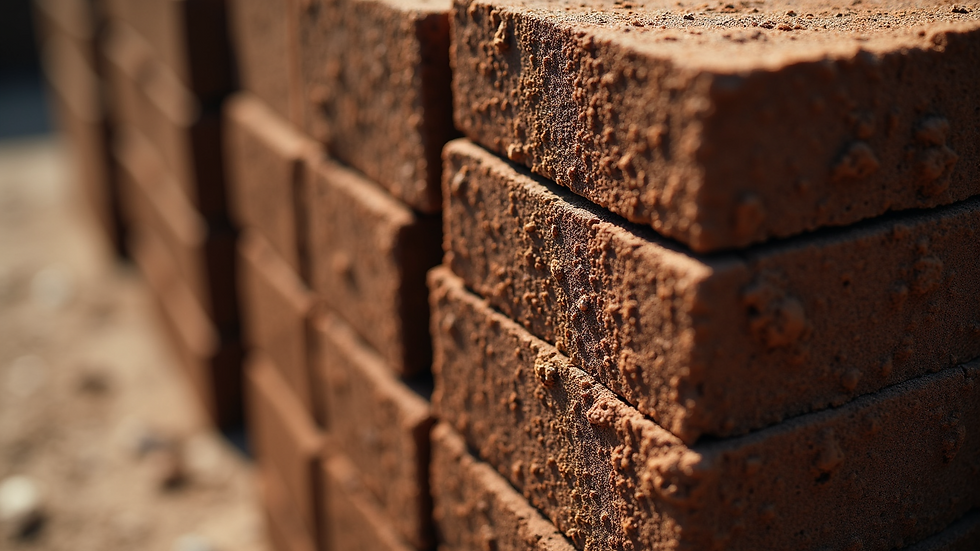
Stacked coco peat blocks prepared for shipment to international buyers
Environmental Advantages of Choosing Coco Peat
One of the reasons I am passionate about coco peat is its positive environmental impact. Unlike peat moss, which is harvested from fragile bogs and takes centuries to regenerate, coco peat is a byproduct of coconut processing. This means it uses waste material that would otherwise be discarded.
Using coco peat helps:
Reduce waste: It repurposes coconut husks that are abundant and renewable.
Lower carbon footprint: Coconut palms absorb CO2, and using their byproducts supports a circular economy.
Conserve natural peatlands: Protecting peatlands preserves biodiversity and prevents greenhouse gas emissions.
Promote sustainable farming: Coco peat supports organic and low-impact agriculture.
By choosing coco peat, you contribute to a more sustainable agricultural system that benefits both farmers and the planet.
Practical Tips for Buyers and Growers
If you are considering adding coco peat to your agricultural or horticultural operations, here are some practical tips to keep in mind:
Check quality: Look for coco peat that is free from salts, dust, and contaminants. High-quality coco peat should be light brown and have a neutral smell.
Storage: Keep coco peat dry and protected from pests. Store it in a cool, ventilated area.
Test pH and EC: Before use, test the pH and electrical conductivity (EC) to ensure it suits your crop requirements.
Combine with fertilizers: Coco peat holds nutrients well but is low in nitrogen, phosphorus, and potassium. Supplement with balanced fertilizers as needed.
Experiment with mixes: Try different ratios of coco peat with soil or other media to find what works best for your plants.
By following these guidelines, you can maximize the benefits of coco peat and improve your crop yields sustainably.
Using coco peat has transformed the way I approach growing plants. Its natural properties, environmental benefits, and versatility make it an excellent choice for modern agriculture. Whether you are growing vegetables, flowers, or operating a hydroponic system, coco peat offers a reliable and eco-friendly solution. If you want to explore this further, connecting with trusted coco peat exporters can help you access premium products tailored to your needs. Embracing coco peat is a step toward healthier plants and a healthier planet.


Comments