
Improve Cultivation with Coco Coir Cultivation

When it comes to enhancing plant growth and improving cultivation methods, choosing the right growing medium is crucial. Over the years, I have explored various options, but one material that consistently stands out is coco coir. Derived from coconut husks, coco coir offers a sustainable, eco-friendly alternative to traditional soil and peat-based substrates. In this post, I will share insights on how coco coir cultivation can transform your growing practices, especially when using coco coir grow bags.
Understanding Coco Coir Cultivation
Coco coir is a natural fiber extracted from the outer husk of coconuts. It has gained popularity in agriculture and horticulture due to its excellent water retention, aeration, and drainage properties. These qualities make it an ideal growing medium for a wide range of plants, from vegetables to ornamental species.
One of the key benefits of coco coir cultivation is its ability to hold moisture while still allowing excess water to drain away. This balance prevents root rot and promotes healthy root development. Additionally, coco coir is pH-neutral, which means it does not alter the soil’s acidity or alkalinity, providing a stable environment for plants.
Using coco coir also supports sustainability. Unlike peat moss, which is harvested from sensitive bog ecosystems, coco coir is a byproduct of the coconut industry, making it a renewable resource. This aligns well with eco-conscious cultivation practices.

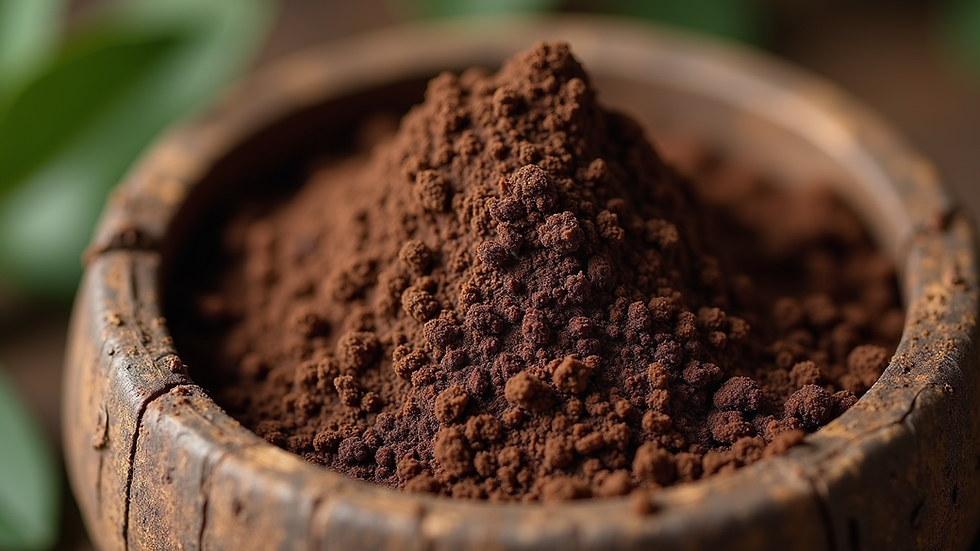
Close-up view of coco coir fibers showing natural texture
Benefits of Using Coco Coir in Agriculture and Horticulture
Switching to coco coir cultivation offers several practical advantages that can improve your crop yield and plant health:
Improved Water Retention: Coco coir can hold up to 10 times its weight in water, ensuring plants have consistent moisture without becoming waterlogged.
Enhanced Aeration: The fibrous structure allows air to circulate around roots, which is essential for nutrient uptake and root respiration.
Reduced Soil Compaction: Unlike heavy soils, coco coir remains loose and fluffy, preventing compaction that can restrict root growth.
Disease Resistance: Coco coir is naturally resistant to fungal pathogens, reducing the risk of root diseases.
Eco-Friendly and Renewable: Using coco coir supports sustainable agriculture by utilizing a waste product from coconut processing.
For growers involved in hydroponics or container gardening, coco coir is especially valuable. It provides a stable medium that supports plant roots while allowing precise control over nutrient delivery.

Eye-level view of a hydroponic setup with plants growing in coco coir bags
Is Coco Coir Good for Calathea?
If you are cultivating Calathea plants, you might wonder if coco coir is a suitable medium. Calatheas are known for their beautiful foliage but can be somewhat sensitive to their growing conditions.
Coco coir is an excellent choice for Calathea because it provides the right balance of moisture retention and aeration. These plants prefer consistently moist soil that is not soggy, and coco coir helps maintain this balance. Additionally, coco coir’s neutral pH supports the slightly acidic to neutral soil conditions that Calatheas thrive in.
When using coco coir for Calathea, it’s important to:
Keep the medium evenly moist but avoid waterlogging.
Ensure good drainage by mixing coco coir with perlite or orchid bark if needed.
Use a balanced fertilizer to supply essential nutrients, as coco coir itself contains minimal nutrients.
By following these tips, you can create an ideal environment for your Calathea to flourish.
Practical Tips for Using Coco Coir Grow Bags
One of the most convenient ways to use coco coir is through grow bags. These bags are pre-filled with coco coir and ready to use, making them perfect for both small-scale and commercial cultivation.
Here are some practical tips to get the most out of your coco coir grow bags:
Pre-Soak the Bags: Before planting, soak the grow bags in water to fully hydrate the coco coir. This ensures even moisture distribution.
Choose the Right Size: Select grow bags that match the size and root depth of your plants. Larger bags are better for bigger plants or longer growth cycles.
Monitor Moisture Levels: Although coco coir retains water well, it’s important to check moisture regularly. Water when the top inch feels dry.
Fertilize Appropriately: Since coco coir is inert, it does not provide nutrients. Use a balanced liquid fertilizer or slow-release pellets to feed your plants.
Ensure Proper Drainage: Place grow bags on a surface that allows excess water to drain freely to prevent waterlogging.
Reuse and Recycle: After harvest, coco coir can often be reused after proper cleaning and rehydration, making it cost-effective and sustainable.
Using coco coir grow bags simplifies the cultivation process and reduces the mess associated with loose substrates.
Expanding Your Cultivation with Coco Coir
Integrating coco coir into your cultivation system can open new possibilities. Whether you are growing vegetables, herbs, flowers, or specialty plants, coco coir offers a versatile medium that adapts well to different environments.
For international buyers and growers, sourcing high-quality coco coir products is essential. Look for suppliers who provide clean, well-processed coco coir with consistent texture and moisture content. This ensures uniformity in your cultivation and better plant performance.
Additionally, coco coir is compatible with various growing techniques, including:
Hydroponics: Coco coir can be used as a standalone medium or mixed with other substrates.
Container Gardening: Ideal for urban growers with limited space.
Seed Starting: Provides a gentle environment for delicate seedlings.
Soil Amendment: Enhances soil structure and water retention when mixed with garden soil.
By adopting coco coir cultivation, you can improve plant health, increase yields, and contribute to sustainable farming practices.
Embracing Sustainable Cultivation Practices
As the demand for eco-friendly agricultural products grows, coco coir stands out as a responsible choice. It reduces reliance on peat moss, conserves natural ecosystems, and supports circular economy principles by utilizing coconut waste.
For businesses aiming to expand their global reach, offering products based on coco coir can build trust with environmentally conscious buyers. It also aligns with international trends toward sustainable agriculture and horticulture.
In my experience, switching to coco coir cultivation has not only improved plant growth but also simplified the growing process. The ease of handling, combined with its natural benefits, makes coco coir a smart investment for any grower.
By exploring the advantages of coco coir and incorporating coco coir grow bags into your cultivation, you can enhance your agricultural practices while supporting sustainability. Whether you are a seasoned grower or just starting, coco coir offers a reliable, eco-friendly solution to improve your plant production.


Comments