
Finding the Best Coco Peat Supply for Your Needs

When it comes to growing plants, whether in agriculture, horticulture, or hydroponics, the growing medium you choose can make a huge difference. One of the most popular and eco-friendly options today is coco peat. Derived from coconut husks, coco peat offers excellent water retention, aeration, and sustainability. But with so many options available, how do you find the best coco peat supply for your specific needs? In this post, I’ll walk you through everything you need to know to make an informed choice.
Understanding the Best Coco Peat Supply
Choosing the best coco peat supply means looking beyond just the price. Quality, consistency, and eco-friendliness are key factors. The best coco peat is clean, free from salts and contaminants, and processed to retain its natural properties. It should be finely graded to provide good water retention while allowing air to reach the roots.
When sourcing coco peat, consider the following:
Source of the coconut husks: Look for suppliers who use fresh, mature coconuts.
Processing method: Proper washing and buffering reduce salt content.
Texture and grading: Fine particles are great for seed starting, while coarser grades suit hydroponics.
Packaging: Compressed blocks or loose bags, depending on your storage and usage needs.
By focusing on these aspects, you ensure your plants get the best start and sustained growth.

How to Identify Quality Coco Peat
Quality coco peat has several distinct characteristics that you can check before buying:
Color and Smell
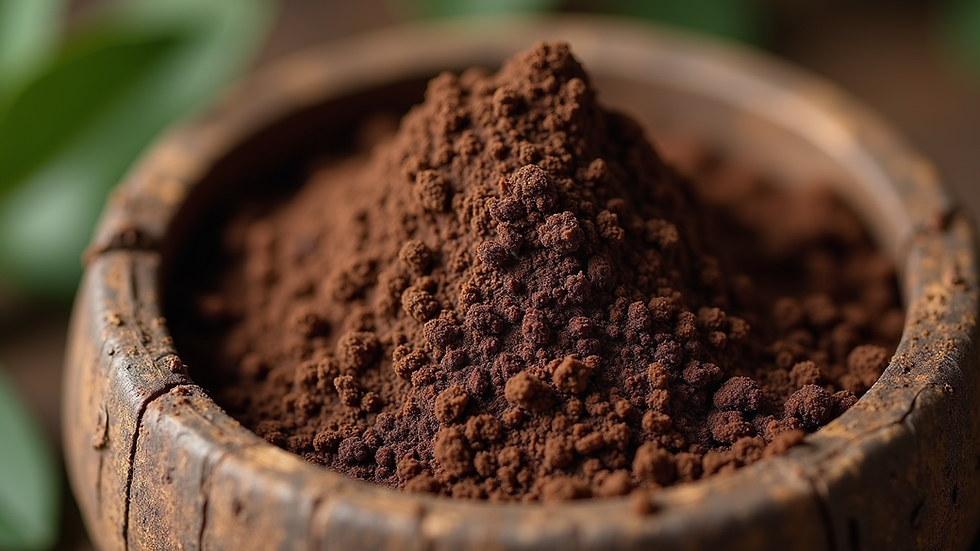
Good coco peat is light brown and has a natural, earthy smell. Avoid dark or black coco peat, which may indicate mold or poor processing.
Moisture Content
Ideal moisture content ranges between 30% and 40%. Too dry coco peat will not retain water well, while overly wet coco peat can cause root rot.
pH Level
The pH should be near neutral, typically between 5.5 and 6.8. This range supports most plants and prevents nutrient lockout.
Salt Content
High salt content can harm plants. Quality coco peat is washed and buffered to reduce salts to safe levels.
Texture and Bulk Density
The texture should be fluffy and light, not compacted or dusty. Bulk density affects how much coco peat you need per volume.
When you buy from a reputable supplier, these quality checks are usually guaranteed. Still, it’s good to ask for lab test reports or samples before making a large purchase.
Does Home Depot Sell Coco Peat?
If you’re wondering whether Home Depot stocks coco peat, the answer is a bit mixed. Home Depot primarily focuses on general gardening supplies and may carry coco coir products like mats or liners. However, coco peat in bulk or specialized forms for agriculture and hydroponics is rarely available there.
For serious growers and international buyers, it’s better to source coco peat from dedicated suppliers who specialize in coconut-based growing media. These suppliers offer a wider range of grades, better quality control, and bulk packaging options suited for commercial use.
Tips for Buying Coco Peat for Sale Online
Buying coco peat online can be convenient, but it requires some extra care. Here are some tips to help you find the best coco peat for sale:
Check supplier credentials: Look for companies with good reviews and transparent sourcing.
Request samples: Before committing to large orders, ask for samples to test in your growing setup.
Compare prices carefully: The cheapest option may not be the best quality. Factor in shipping costs and packaging.
Look for eco-friendly certifications: Sustainable harvesting and processing are important for environmental impact.
Understand shipping terms: Bulk coco peat can be heavy and bulky. Confirm delivery times and costs.
For example, if you are looking for reliable coco peat for sale, you might want to explore suppliers who specialize in exporting high-quality, eco-friendly coconut products. This ensures you get a product that meets international standards and supports sustainable agriculture.

How to Use Coco Peat Effectively
Once you have the best coco peat supply, using it correctly is essential to maximize its benefits. Here are some practical tips:
Pre-soak before use: Soaking coco peat in water helps it expand and become fluffy.
Mix with other media: Combine coco peat with perlite or vermiculite for better aeration.
Monitor watering: Coco peat retains water well, so adjust your watering schedule to avoid overwatering.
Use as a soil amendment: Mix coco peat into garden soil to improve moisture retention and soil structure.
Recycle and reuse: After harvesting, coco peat can be composted or reused with proper treatment.
By following these steps, you can create an ideal growing environment for your plants, whether in pots, beds, or hydroponic systems.
Why Choose Eco-Friendly Coco Peat?
Sustainability is a growing concern in agriculture and horticulture. Coco peat is a fantastic eco-friendly alternative to peat moss, which is harvested from sensitive peat bogs and takes centuries to regenerate.
Coco peat is a byproduct of the coconut industry, making it a renewable resource. Using it helps reduce waste and supports sustainable farming practices. Additionally, coco peat’s excellent water retention reduces irrigation needs, conserving water in your growing operations.
Choosing eco-friendly coco peat aligns with global efforts to promote sustainable agriculture and reduce environmental impact.
Finding the Right Supplier for Your Needs
Finding the best coco peat supply means partnering with a supplier who understands your needs and delivers consistent quality. Look for suppliers who:
Offer detailed product specifications and lab reports.
Provide excellent customer service and support.
Have experience exporting to international markets.
Use sustainable harvesting and processing methods.
Offer flexible packaging and shipping options.
By choosing the right supplier, you ensure your investment in coco peat pays off with healthy plants and successful harvests.
If you want to explore options, you can find coco peat for sale from trusted exporters who specialize in high-quality, eco-friendly coconut products.
Final Thoughts on Choosing the Best Coco Peat Supply
Selecting the best coco peat supply is a crucial step for anyone involved in agriculture, horticulture, or hydroponics. By focusing on quality, sustainability, and supplier reliability, you can ensure your plants thrive and your operations run smoothly.
Remember to check the product’s physical properties, ask for samples, and understand the supplier’s practices. With the right coco peat, you’ll enjoy improved plant growth, better water management, and a positive environmental impact.
Investing time in finding the best coco peat supply will pay off in the long run, helping you grow healthier plants and build a more sustainable future.


Comments