
Essential Coco Coir Grow Bags Tips: Unlocking Their Benefits for Your Plants

When it comes to growing plants efficiently and sustainably, the choice of growing medium and containers plays a crucial role. Over the years, I have explored various options, and one that consistently stands out is the use of coco coir grow bags. These bags offer a unique blend of benefits that can transform your gardening or agricultural projects. In this post, I will share practical insights and tips on why these grow bags are gaining popularity and how you can make the most of them.
Why Choose Coco Coir Grow Bags? Practical Tips for Success
Coco coir grow bags are made from coconut husk fibers, a renewable and eco-friendly resource. This natural material provides an excellent environment for root development and plant growth. Here are some tips and reasons why I recommend them:
Improved Aeration and Drainage: The fibrous texture of coco coir allows air to circulate freely around the roots. This prevents waterlogging and root rot, common problems in traditional soil pots.
Water Retention with Breathability: Coco coir holds moisture well but also drains excess water, maintaining a balanced moisture level. This means your plants get consistent hydration without drowning.
Lightweight and Portable: These grow bags are easy to move around, which is perfect for adjusting plant placement based on sunlight or weather conditions.
Eco-Friendly and Sustainable: Using coconut husks, a byproduct of the coconut industry, reduces waste and supports sustainable agriculture.
Reusable and Durable: With proper care, coco coir grow bags can be reused for multiple growing cycles, making them cost-effective.
To get the best results, I suggest soaking the bags before planting to ensure they are fully hydrated. Also, consider mixing coco coir with compost or organic fertilizers to provide additional nutrients.

Is Coco Coir Good for Calathea?
Calathea plants are known for their beautiful, patterned leaves but can be a bit finicky when it comes to soil and moisture. I have found that coco coir is an excellent medium for Calathea for several reasons:
Moisture Retention: Calatheas prefer consistently moist soil without being soggy. Coco coir’s water retention properties help maintain this balance.
Aeration: The roots of Calathea need oxygen to thrive. Coco coir’s porous structure ensures good airflow, reducing the risk of root diseases.
pH Neutral: Coco coir typically has a neutral pH, which suits Calathea’s preference for slightly acidic to neutral soil conditions.
Lightweight and Easy to Manage: For indoor Calathea plants, coco coir grow bags make repotting and moving plants hassle-free.
If you grow Calathea, I recommend mixing coco coir with a bit of perlite or orchid bark to enhance drainage further. This combination keeps the roots healthy and supports vibrant foliage.
How Coco Coir Grow Bags Support Sustainable Agriculture
Sustainability is a growing concern in agriculture and horticulture. Coco coir grow bags align perfectly with eco-friendly practices. Here’s how they contribute:
Renewable Resource: Coconut husks are a natural byproduct, so using them reduces reliance on peat moss, which is less sustainable.
Biodegradable: Many coco coir grow bags break down naturally over time, minimizing plastic waste.
Reduced Chemical Use: The natural properties of coco coir reduce the need for chemical fertilizers and pesticides.
Water Efficiency: By retaining moisture effectively, these bags help conserve water, a critical factor in many agricultural regions.
For international buyers looking to adopt greener practices, switching to coco coir grow bags can be a significant step toward reducing environmental impact while maintaining high crop yields.
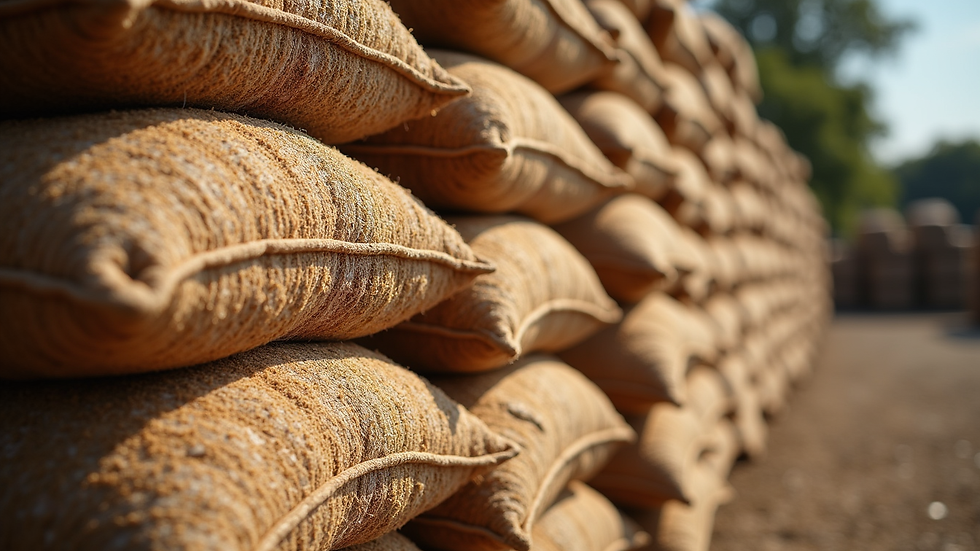
Tips for Using Coco Coir Grow Bags in Hydroponics and Horticulture
Whether you are growing vegetables, flowers, or herbs, coco coir grow bags can be adapted to various systems. Here are some actionable tips:
Pre-Soak the Bags: Before planting, soak the bags in water to activate the fibers and improve moisture retention.
Combine with Nutrient Solutions: Coco coir is inert, meaning it doesn’t provide nutrients on its own. Use balanced nutrient solutions or organic fertilizers to feed your plants.
Monitor pH Levels: Although coco coir is generally pH neutral, it’s good practice to check and adjust pH to suit specific crops.
Ensure Proper Drainage: Even though coco coir drains well, make sure your grow bags have adequate drainage holes to prevent water accumulation.
Rotate Crops: To maintain soil health and prevent disease buildup, rotate your crops regularly when using coco coir grow bags.
By following these tips, you can maximize the benefits of coco coir grow bags and achieve healthy, productive plants.
Expanding Your Agricultural Reach with Coco Coir Grow Bags
For businesses and growers aiming to expand internationally, coco coir grow bags offer a competitive edge. Their lightweight nature reduces shipping costs, and their eco-friendly appeal resonates with global markets increasingly focused on sustainability. Here are some strategies to consider:
Highlight Eco Benefits: Emphasize the sustainable sourcing and biodegradability of coco coir grow bags in your marketing.
Educate Buyers: Provide clear instructions and tips on how to use these bags effectively to build trust and satisfaction.
Offer Custom Sizes: Different crops and growing systems require different bag sizes. Offering variety can attract a broader customer base.
Partner with Sustainable Brands: Collaborate with companies that share your commitment to eco-friendly agriculture to strengthen your market position.
By integrating these approaches, you can position your business as a leader in supplying high-quality, sustainable growing solutions worldwide.
Using coco coir grow bags has transformed the way I approach plant cultivation. Their unique properties support healthier plants, reduce environmental impact, and offer practical advantages for growers everywhere. Whether you are managing a small garden or a large agricultural operation, these grow bags are worth considering for your next project.


Comments